
Whether you’re a casual wine lover or building your dream collection, proper wine storage is essential to preserve flavor, aroma, and value. Wine is a living product—sensitive to temperature, light, and movement—so giving it the right conditions can make a world of difference. Here’s a straightforward guide to storing wine the right way at home.
1. Keep It Cool, Not Cold
Wine is best stored between 45–65°F (7–18°C), with 55°F (13°C) often considered ideal. High temperatures can cause wine to age too quickly, dulling flavors, while overly cold temperatures (like in a standard fridge) can dry out corks and let air in.
Tip: Avoid placing bottles near heat sources like stoves or sunny windows.
2. Consistency Is Key
Fluctuating temperatures are worse than a slightly imperfect one. Repeated expansion and contraction can push the cork out or allow air to seep in, oxidizing the wine.
Solution: If you don’t have a wine fridge, choose a dark closet or interior room that doesn’t get much heat variation.
3. Store Bottles on Their Side
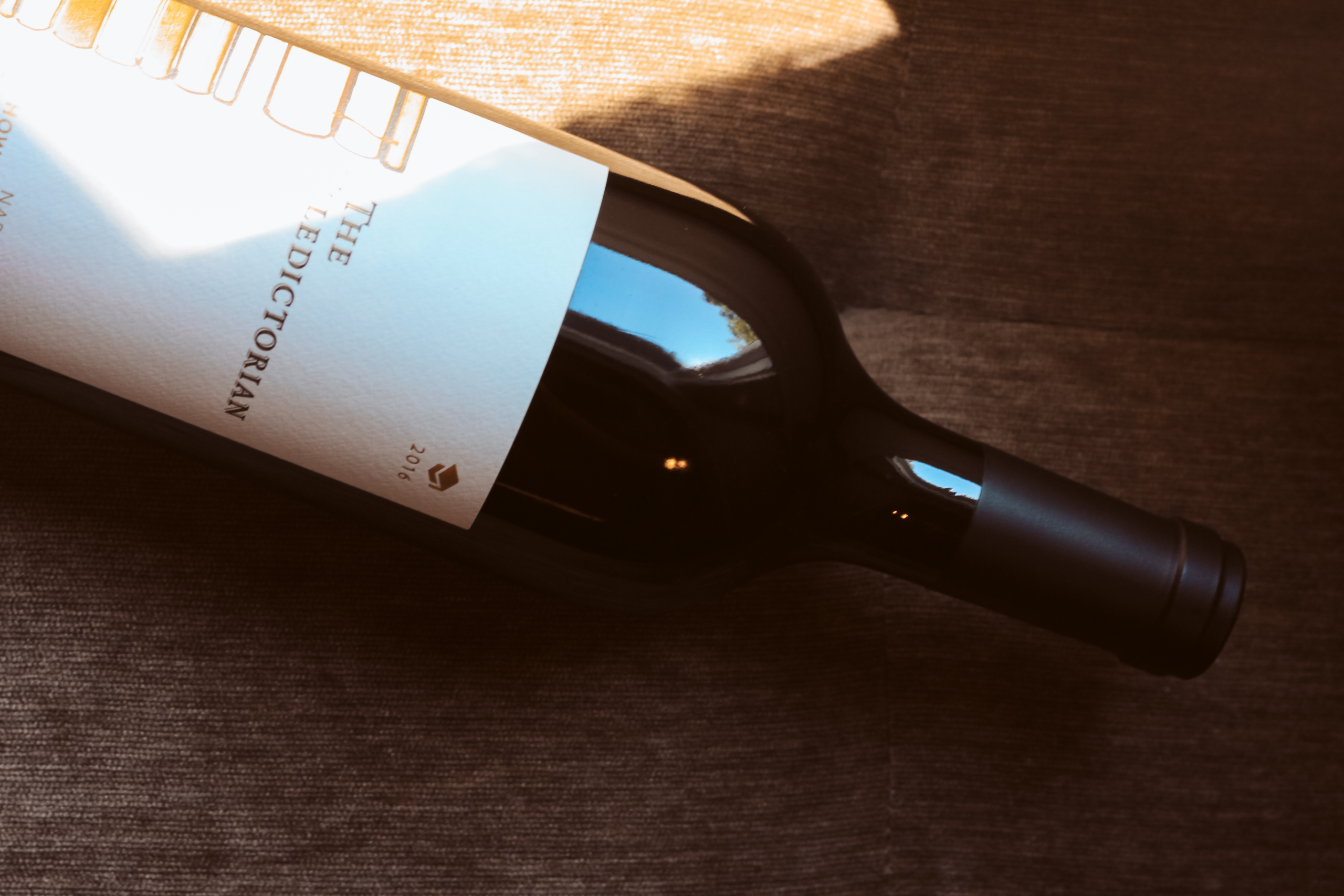
Keeping wine bottles on their side helps maintain cork moisture. A dry cork shrinks, allowing air in—and oxygen is wine’s enemy.
Exception: Screw cap bottles can stand upright without issue.
4. Limit Light Exposure
UV light can degrade wine, especially whites and sparkling wines. That’s why wine cellars and caves are traditionally dark.
Advice: Store your wine away from direct sunlight, and if it’s in a bright room, consider using UV-filtering film on windows or opaque storage.
5. Avoid Vibration
Too much movement can disturb sediments and accelerate chemical reactions in wine. Avoid storing bottles on top of refrigerators or next to laundry machines.
6. Mind the Humidity
A humidity level around 60–70% is ideal. Too dry, and corks can crack. Too damp, and labels may peel or mold.
Pro tip: A small bowl of water near your wine rack in a dry room can help.
7. Short-Term vs. Long-Term Storage
Everyday wines (under $30, meant to be enjoyed within a year or two) can handle a bit more flexibility in storage.
Age-worthy bottles deserve better conditions: consistent temperature, proper humidity, and darkness—ideally in a wine fridge or cellar.
Final Thoughts
You don’t need a fancy cellar to store wine well. A small wine fridge or a quiet, dark, temperature-stable space will do wonders. With just a little effort, you can keep your bottles tasting as the winemaker intended—whether you’re opening them next week or in ten years.
Cheers to better sipping!